Transforming Communities Through Peace Education
A Global Exhibition Rooted in Values, Action, and Human Dignity
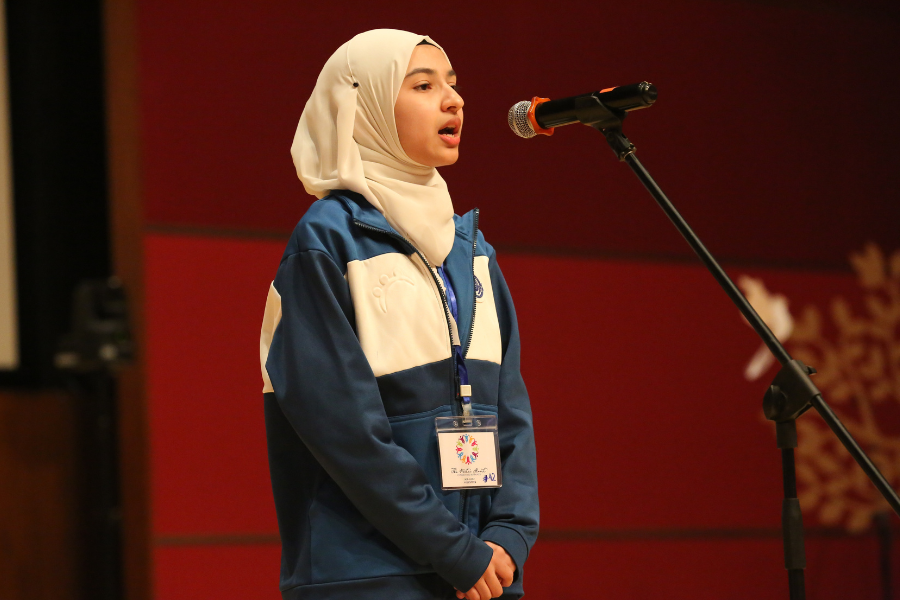
Naseem Chorus Group
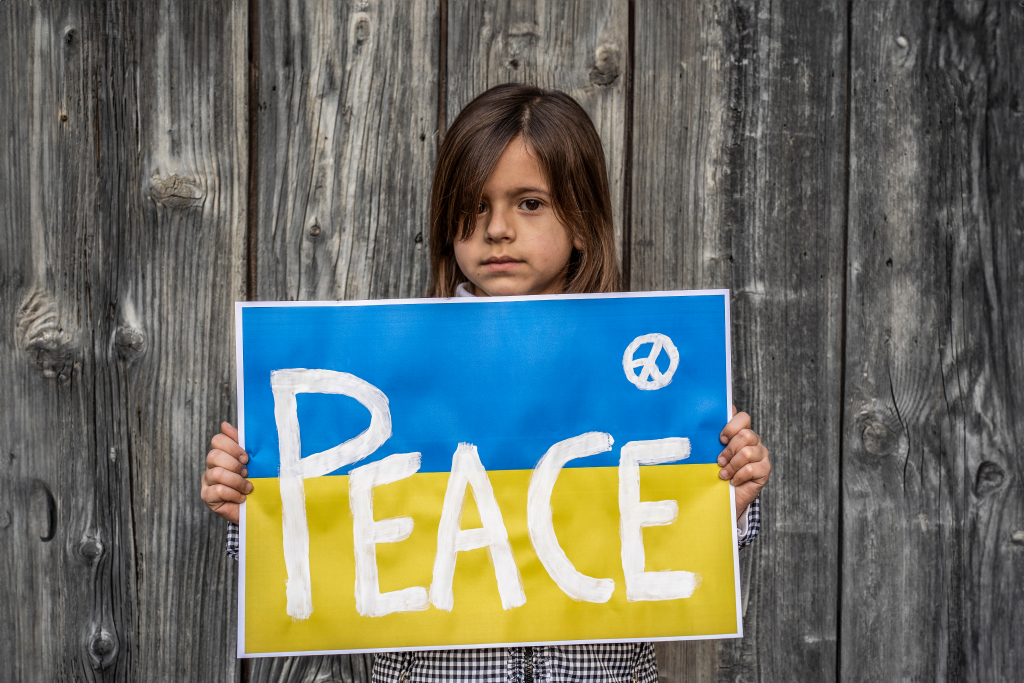
The “Building a Culture of Peace” exhibition was launched as a global initiative by SGI, aligned with UNESCO’s International Decade for a Culture of Peace and Non-Violence for the Children of the World (2001–2010). Rooted in the ideals of justice, nonviolence, empathy, and human rights, the exhibition travelled across UAE schools, civic spaces, and public institutions to instill in youth the values and actions necessary to construct peaceful societies. Drawing from the Earth Charter, the UNESCO Constitution, and the Manifesto 2000, this exhibit empowered young people to understand their role in resolving conflict, fostering inclusion, and becoming peacemakers in their daily lives.
The Message of Peace
What Is a Culture of Peace?
UNESCO's Foundations:
- “Since wars begin in the minds of men, it is in the minds of men that the defenses of peace must be constructed.”
- Inspired by the UN Declaration & Programme of Action on a Culture of Peace, 1999.
Peace Mosaic:
The Exhibition Experience
Panel Themes:
1.Understanding Violence
2.Peace and Dialogue
3.Respect for Diversity
4.Human Rights and Justice
5.Disarmament
6.Environmental 7.Sustainability
8.Gender Equality
9.Peace Through Inner Transformation
Interactive Activities:
2.Peace Tree Art Installation
3.Discussion corners and reflection walls
Reach and Impact Across the UAE
Participating Schools:
1.Dubai Modern High School
2.Emirates English Speaking School
3.Zabeel High School
4.The Oxford School
5.Our Own English High School
6.Zayed University
Engagement Stats:
More than 5,000 youth signed the Manifesto 2000 peace pledge
10+ nationalities represented across exhibition locations
Testimonials:
- “It brought peace into the classroom in a real and emotional way.” — Teacher, Oxford School
- “I didn’t know I had a voice in peacebuilding until this.” — Student, Zabeel High School
The Manifesto 2000
Key Pledge Points:
1.Respect all life
2.Reject violence
3.Share with others
4.Listen to understand
5.Preserve the planet
6.Rediscover solidarity
Legacy:
Students and community members embraced these principles and carried them forward through:
1.School clubs on social justice
2.Environmental initiatives
3.Interfaith student dialogues
Reflections and Legacy
Feedback from the Community:
- Teachers integrated peace lessons into moral education and civics.
- Students initiated local awareness campaigns, clean-up drives, and letter-writing campaigns.
- Institutions requested materials to replicate peace corners in classrooms.
Tools & Resources:
Quote:
Closing Section:
Keep the Peace Alive
While the exhibition has concluded, its message lives on. Let us continue to nurture young minds through compassion, education, and action.